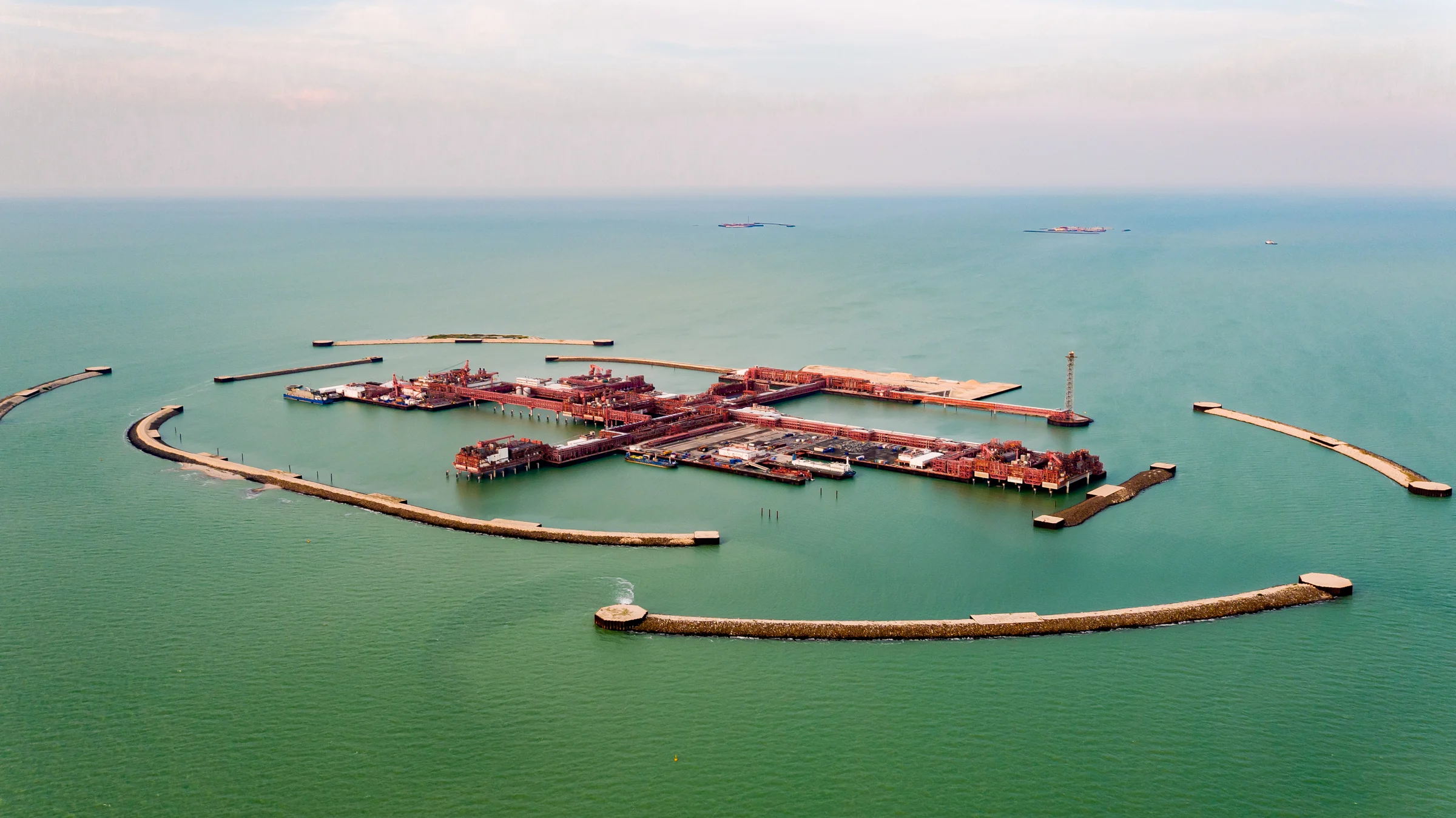
It should be noted that the North Caspian Project facilities are located outside specially protected environmental areas and water protection zones, as well as beyond the boundaries of the Akzhayik State Nature Reserve, sturgeon spawning areas and migration routes, commercial fishing grounds, bird nesting sites and seal haul-out areas.
Recognising its responsibility for environmental protection, NCOC carries out its environmental activities in line with the oil and gas industry’s best practices and the IOGP, IPIECA and IFC guidelines addressing the issues of environmental management, environmental and social impact assessment, as well as public health considerations associated with planned operations. NCOC applies the mitigation hierarchy to manage risks and potential adverse impacts (Avoidance, Minimisation, Restoration and Compensation) and continuously monitors, analyses and improves the effectiveness of these measures.
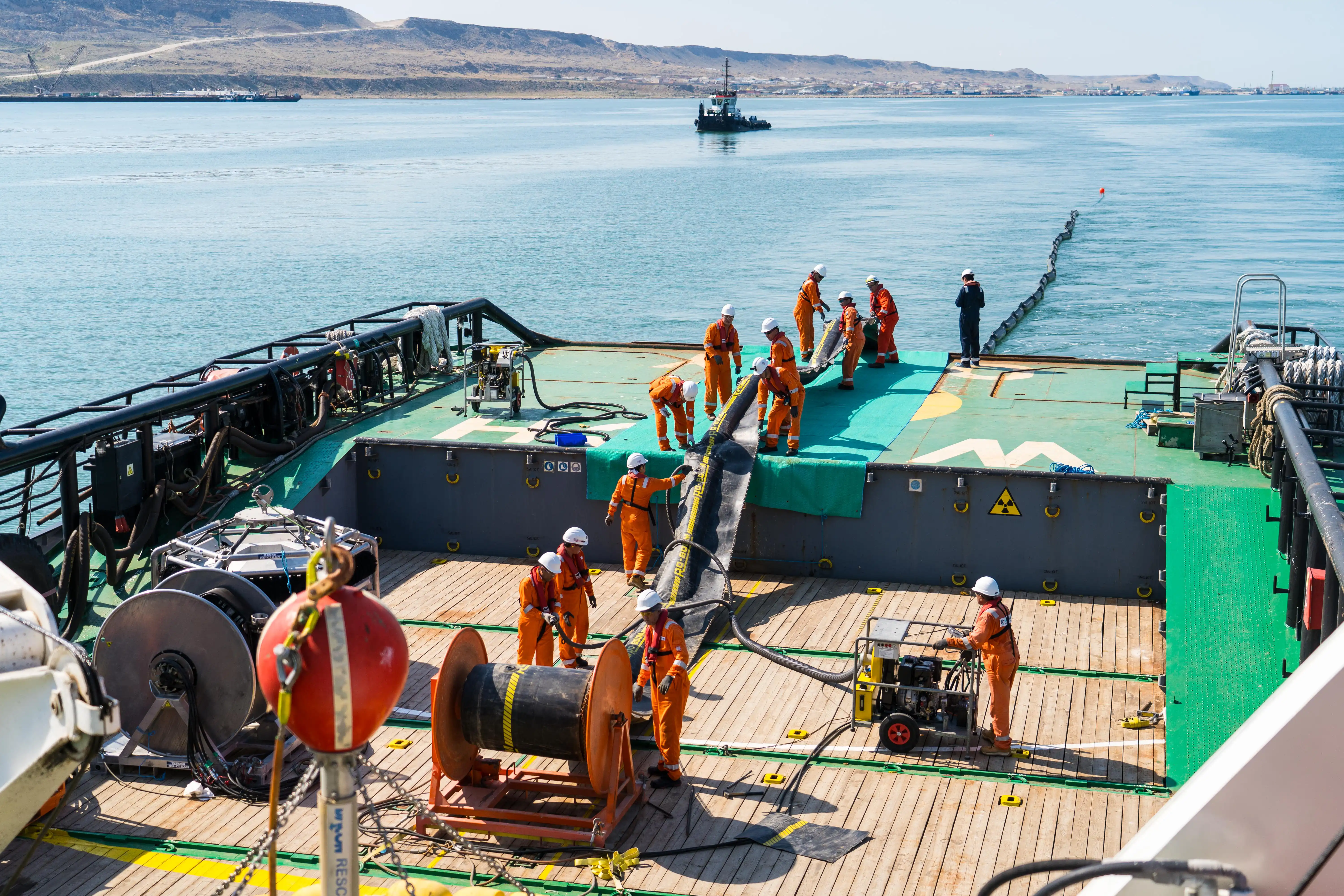
The Company maintains a constant state of readiness to respond promptly to any potential leaks or spills. It has a dedicated oil spill response team. Moreover, NCOC operates shallow draft vessels and oil skimming barges manned by specially trained crews. Dozens of kilometres of oil booms, absorbent materials, floating and collection tanks, containers and other equipment have been specially purchased for use in the unique environment of the North Caspian Sea.
NCOC places particular emphasis on responsible use of natural resources and continues to reduce freshwater consumption through improvements to water treatment systems and increased recycling and reuse of more than 58% of consumed freshwater. In addition, the Company adheres to a Zero Routine Associated Gas Flaring policy, as well as the policy of Zero Discharge into the Caspian Sea environment.
The waste management system implemented across all NCOC facilities is designed to minimise environmental impact. The Company operates a separate waste collection system that enables a portion of waste to be recycled and reused as recycled resources. This includes paper and battery production, regeneration of used oils, manufacture of construction materials and metal scrap recycling.
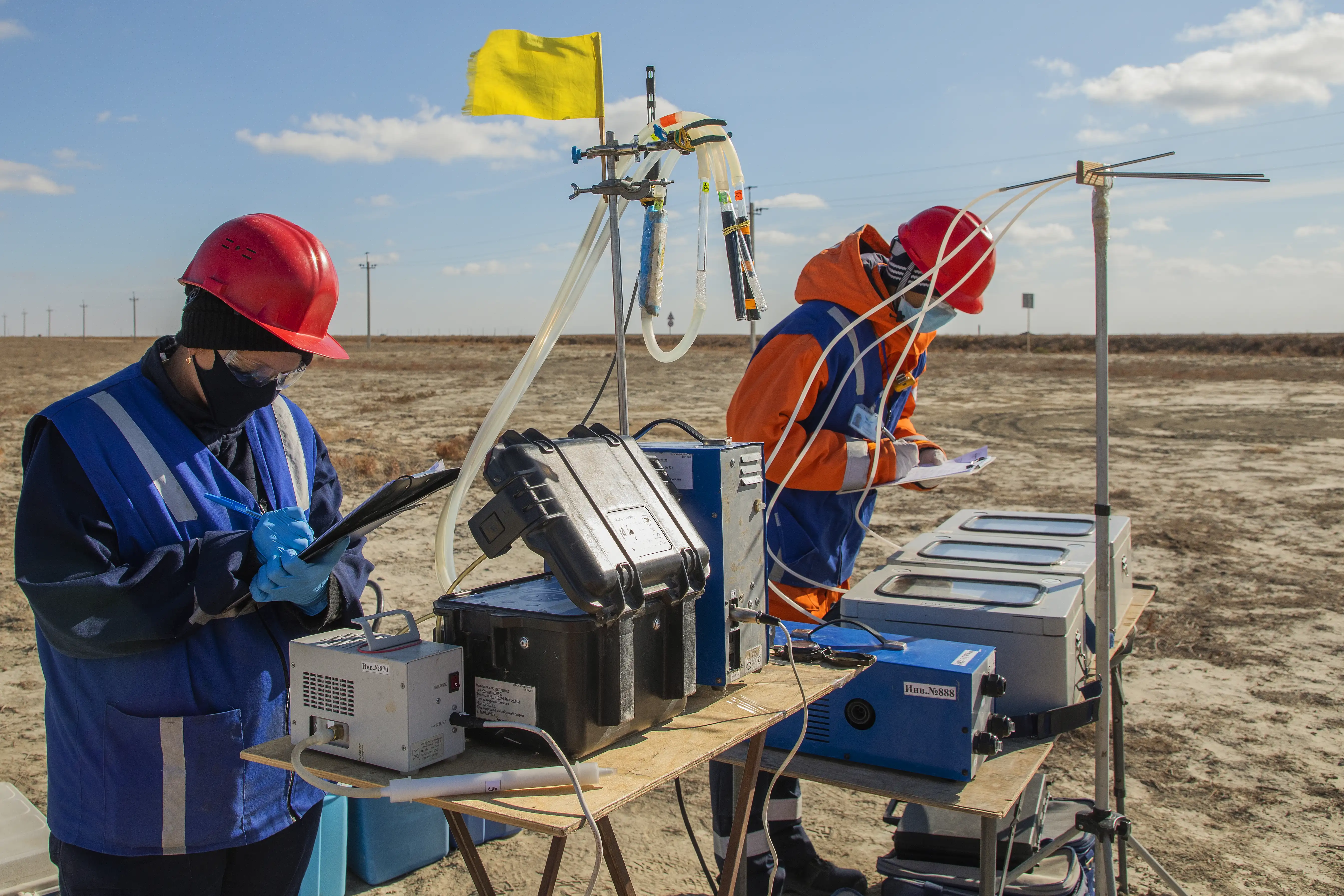
NCOC conducts ongoing environmental monitoring to assess the impact of its operations on the environment, including a broad range of environmental surveys. For example, twenty air quality monitoring stations operate in Atyrau Oblast, continuously measuring concentrations of hydrogen sulphide, sulphur dioxide, nitrogen dioxide, nitric oxide and carbon monoxide. Data are transmitted in real time to NCOC’s office, to the Atyrau Oblast Branch of Kazhydromet and to the Atyrau Oblast Department of Natural Resources and Nature Use Control.
NATURAL WEALTH: PRESERVE AND ENHANCE
The unique nature and high sensitivity of the North Caspian ecosystem necessitate extensive efforts by NCOC aimed at its conservation.
As part of its monitoring programme, the Company carries out field surveys and measurements that provide the data required to assess the extent of the Company’s impact on the region’s environmental conditions.
Each year, seasonal environmental surveys are conducted in the North Caspian offshore area. The scope of surveys includes study of flora and fauna, quality of water, bottom sediments and atmospheric air for a better understanding of species distribution and population dynamics in the region.
In the North Caspian Sea, home to approximately 130 fish species, seasonal ichthyological surveys are undertaken within the Project area. These include analysis of hydrocarbon and heavy metal concentrations in the tissues of resident indicator fish species (particularly gobies). Such surveys not only enable monitoring but also help to control the state of the marine environment, identify pollution sources and manage ecosystem-related risks.
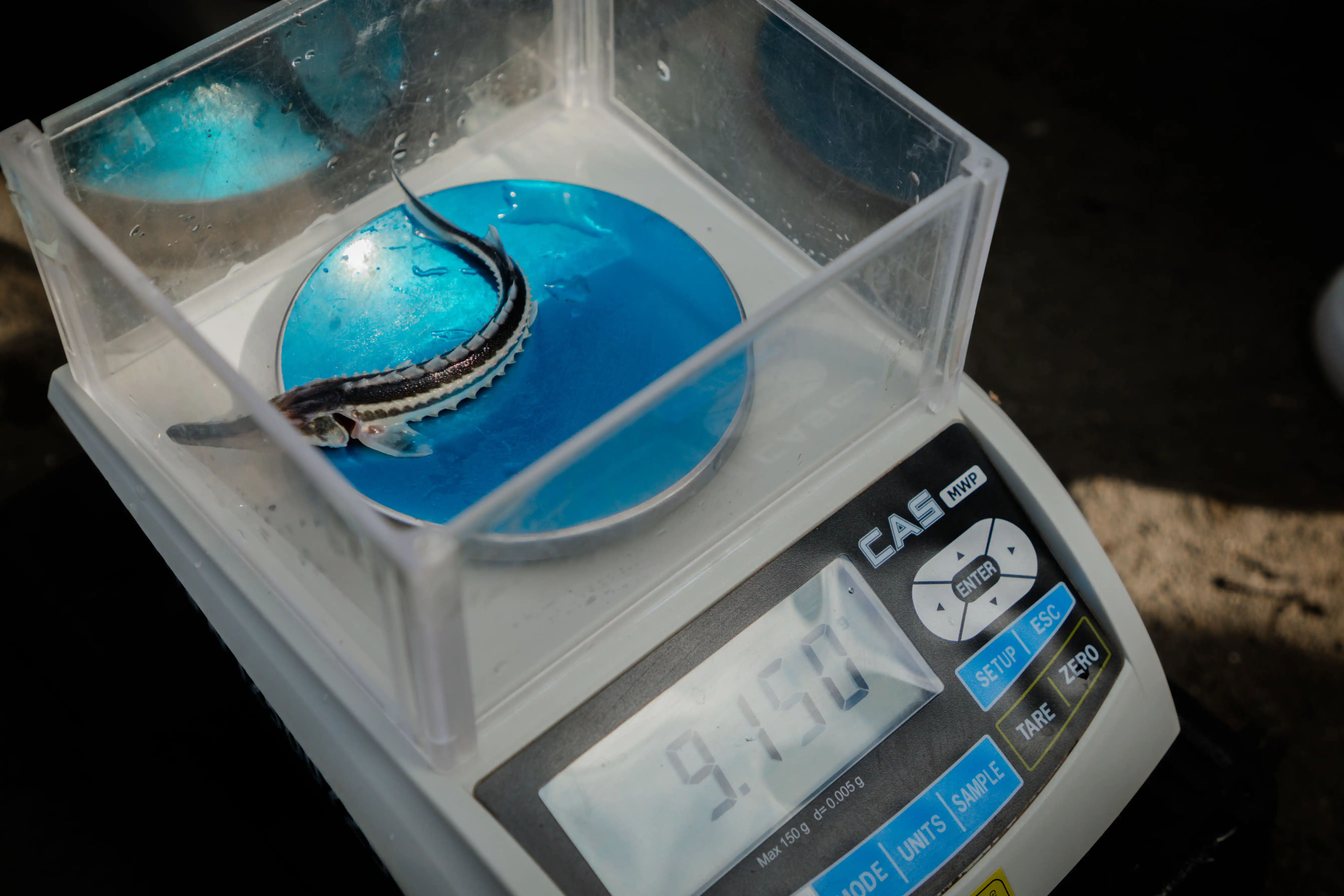
Sturgeons inhabiting the Caspian Sea are among the most valuable species; however, their populations have declined significantly in recent years. As is well known, in 2014 the Caspian states reached an agreement to ban commercial fishing of sturgeon pending population recovery. NCOC finances fishery compensation efforts, including the release of juvenile sturgeon into the Zhayik-Caspian Basin to support the restoration of these valuable relict species.
The Company also contributes to the conservation and restoration of sturgeon populations by participating in the reconstruction and modernisation of the Ural-Atyrau Sturgeon Hatchery.
To ensure the timely identification, prevention and mitigation of potential adverse impacts and phenomena, continuous wildlife monitoring, covering invertebrates, amphibians, reptiles, birds and mammals, is carried out in the vicinity of production facilities located within Atyrau and Mangystau Oblasts. The monitoring includes population counts, species identification, assessment of distribution patterns and evaluation of the effects of anthropogenic factors on species abundance and distribution.
The Company also conducts long-term monitoring of bird populations within the Kazakhstan sector of the Caspian Sea, collecting and analysing data on species composition, distribution and bird population dynamics. The Company is currently the only oil and gas operator undertaking systematic ornithological surveys across the North Caspian offshore area.
More than 280 bird species migrate annually from Eurasia and Siberia towards Africa and India, using the wetlands of the North Caspian Sea as key stopover sites for shelter, resting and feeding, particularly within reed-bed habitats. Since 2000, NCOC has conducted regular bird surveys, including observations during spring and autumn migration periods, surveys of the spatial distribution of breeding species in the coastal zone during the nesting season, monitoring of wintering waterfowl and semi-aquatic birds, as well as observations in areas surrounding both onshore and offshore production infrastructure.
These ornithological surveys cover an extensive area, stretching from the Volga River Delta in the west to the Emba River Delta in the east, and from the city of Atyrau in the north to the city of Aktau in the south.
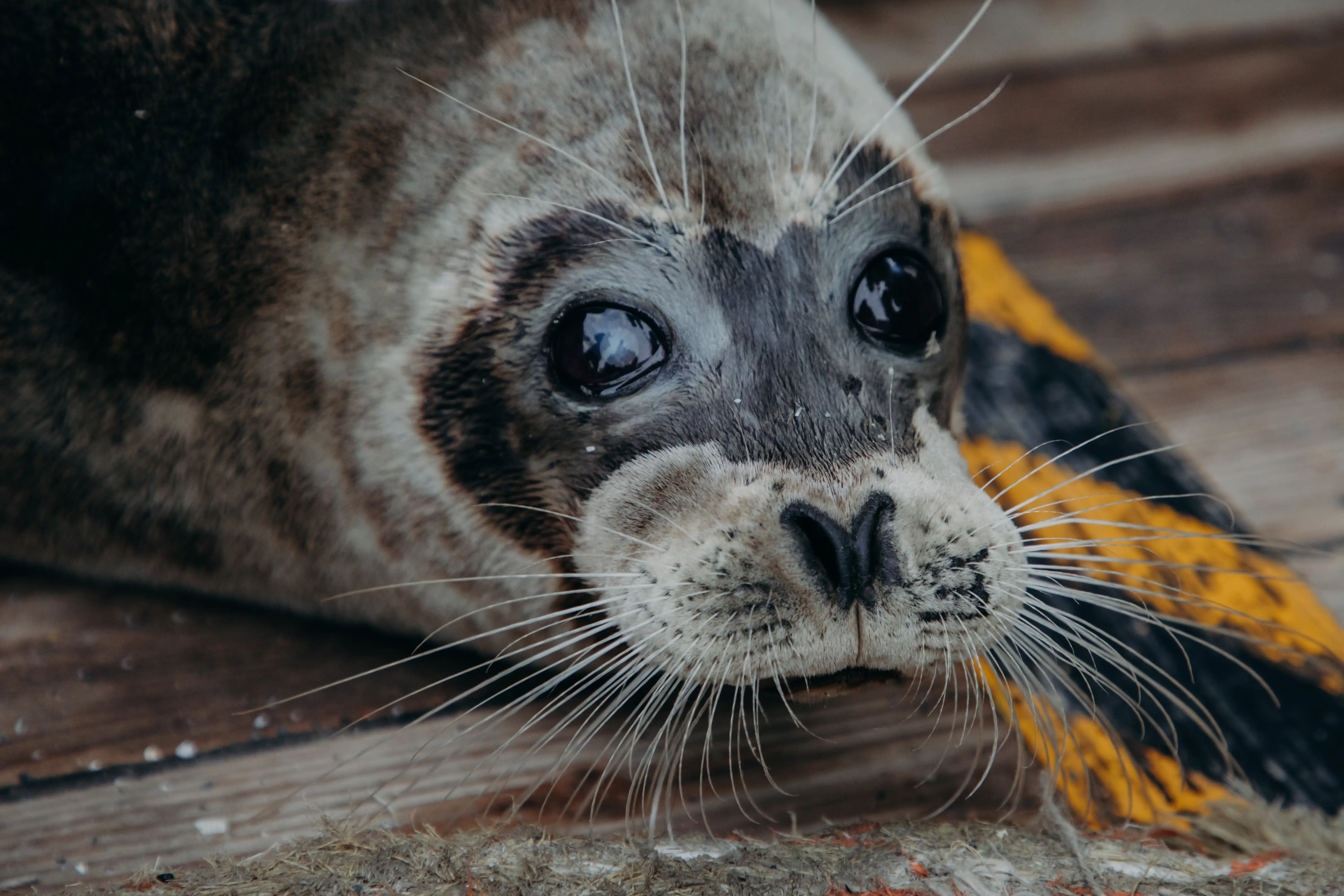
Since 2005, NCOC has also conducted monitoring of the Caspian seal, engaging Kazakhstan experts, and with the scientific support from specialised research institutions.
A distinctive feature of these surveys is the application of a unique methodological framework specifically adapted to the environmental conditions of the North Caspian Sea.
Between 2019 and 2024, the Company implemented a number of comprehensive surveys on the Caspian seal population with the participation of leading national and international scientists. The surveys focused on assessing the current status of the population, its abundance and key indicators of the species’ health and resilience.
The survey programme included seal population surveys conducted along icebreaker navigation routes; morphometric, pathological, toxicological, hormonal, genetic, virological, bacteriological, parasitological and microbiological analyses; satellite tagging to study migration routes and habitat use, as well as analysis and comparison of the findings with the data from previous years and with relevant scientific literature.
The decline in the Caspian seal population is attributable to a combination of natural and human-induced factors. Key issues requiring further surveys include the impact of pollution on food chains, the spread of invasive alien species, changes in the forage base, climate change and the reduction of ice cover, which plays a vital role in seal reproduction. Additional factors may include rising summer sea temperatures and seismic activity in the region. The duration, scope and findings of these surveys may serve as a basis for future research undertaken by specialised scientific and governmental institutions.
As part of its efforts to conserve Caspian biodiversity and the marine environment, the Company regularly reviews the results of long-term marine ecological surveys. This provides a comprehensive understanding of the condition of abiotic and biotic environments, as well as seasonal and interannual changes affecting Caspian fauna and flora.
Taken together, these environmental protection measures ensure transparency in scientific research and contribute to the long-term protection of the North Caspian environment.
In conclusion, it should be noted that, as the Operator of major offshore and onshore oil and gas production and processing facilities and projects in the Republic of Kazakhstan, NCOC acknowledges that effective environmental stewardship is of primary importance in achieving the high performance standards to which the Company is committed